Front Caster & Camber Adjustment
- Caster is relative to frame, the caster values must be compensated for the measured frame angle by using a digital protractor or equivalent on a flat portion of the frame in front of the rear tire.
- Frame angle is positive when higher in the rear. Measure both sides of the frame and take an average from those measurements. Then add the average frame angle to the caster reading when making adjustments.
- Frame angle is negative when lower in the rear. Measure both sides of the frame and take an average from the measurements. Then subtract the average frame angle from the caster reading when making adjustments.
- The caster and camber adjustments are made by rotating the offset cam bolt and the cam in the slotted frame bracket in order to reposition the control arm
NOTE:
Before adjusting the caster and camber angles, jounce the front bumper three times to allow the vehicle to return to normal height. Measure and adjust the caster and the camber with the vehicle at curb height. The front suspension Z dimension is indicated in Trim Heights. See TRIM HEIGHT
.
- For an accurate reading, do not push or pull on the tires during the alignment process.
- Determine the caster angle (2). Be sure to compensate for frame angle where required. See Fig 1
.
- Determine the positive camber (2) or negative camber (3) angle. See Fig 2
.
- Remove the pinned adjusting cam insert. Do not reinstall the cam insert.
- Loosen the upper control arm cam adjustment bolts. See Fig 3
- Adjust the caster and the camber angle by turning the cam bolts until the specifications have been met. When the adjustments are complete, hold the cam bolt head in order to ensure the cam bolt position does not change while tightening the nut. Tighten cam nuts to specification. See TORQUE SPECIFICATIONS
.
- Verify that the caster and the camber are still within specifications. See WHEEL ALIGNMENT SPECIFICATIONS
. When the caster and camber are within specifications, adjust the toe. See FRONT TOE ADJUSTMENT
.
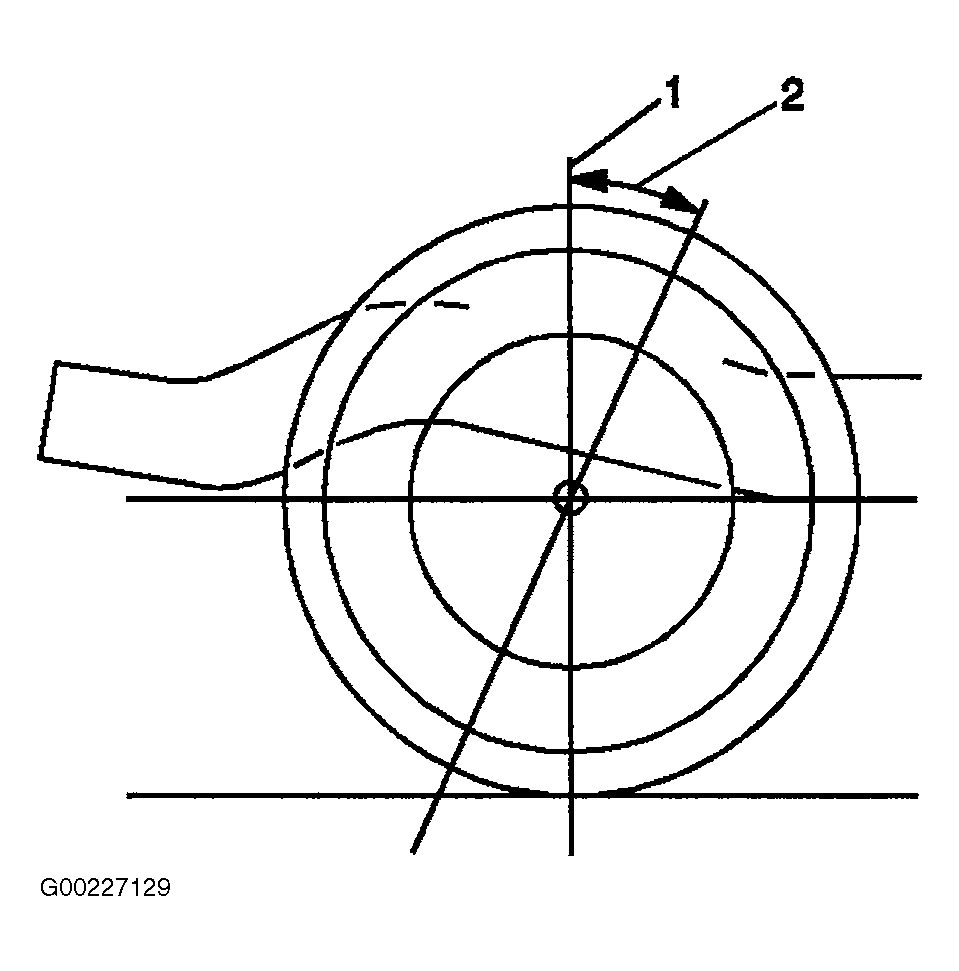 Courtesy of GENERAL MOTORS CORP.
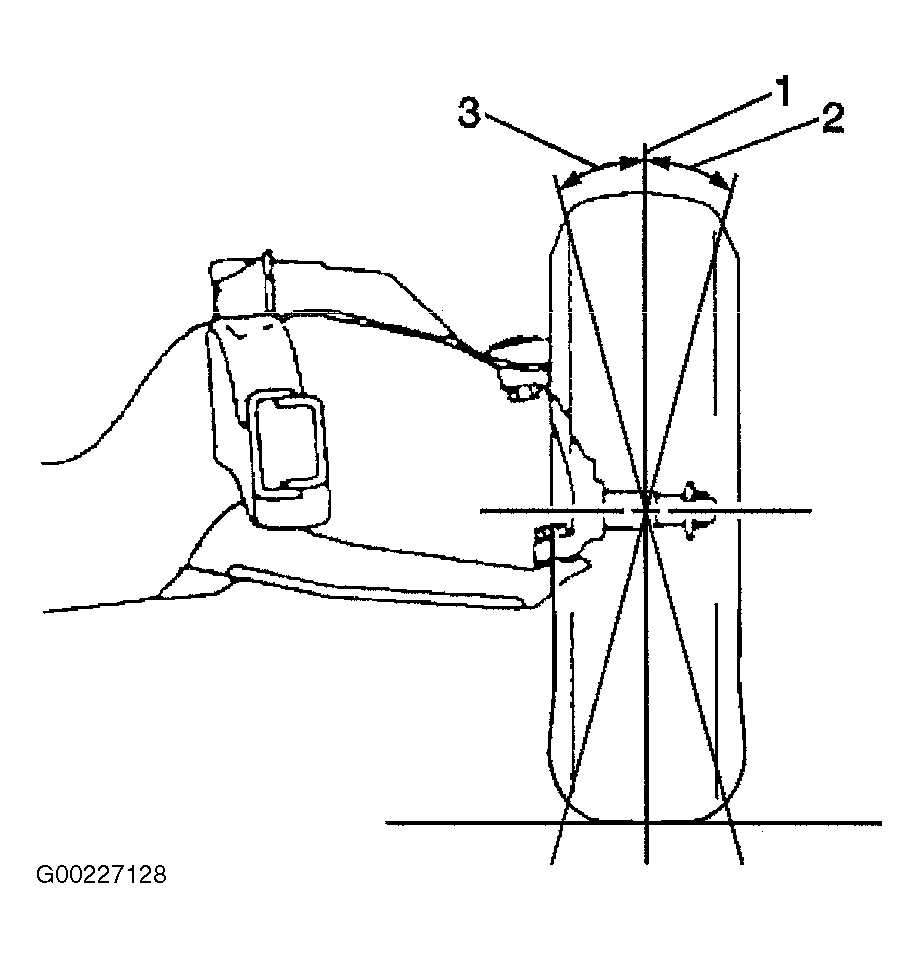 Courtesy of GENERAL MOTORS CORP.
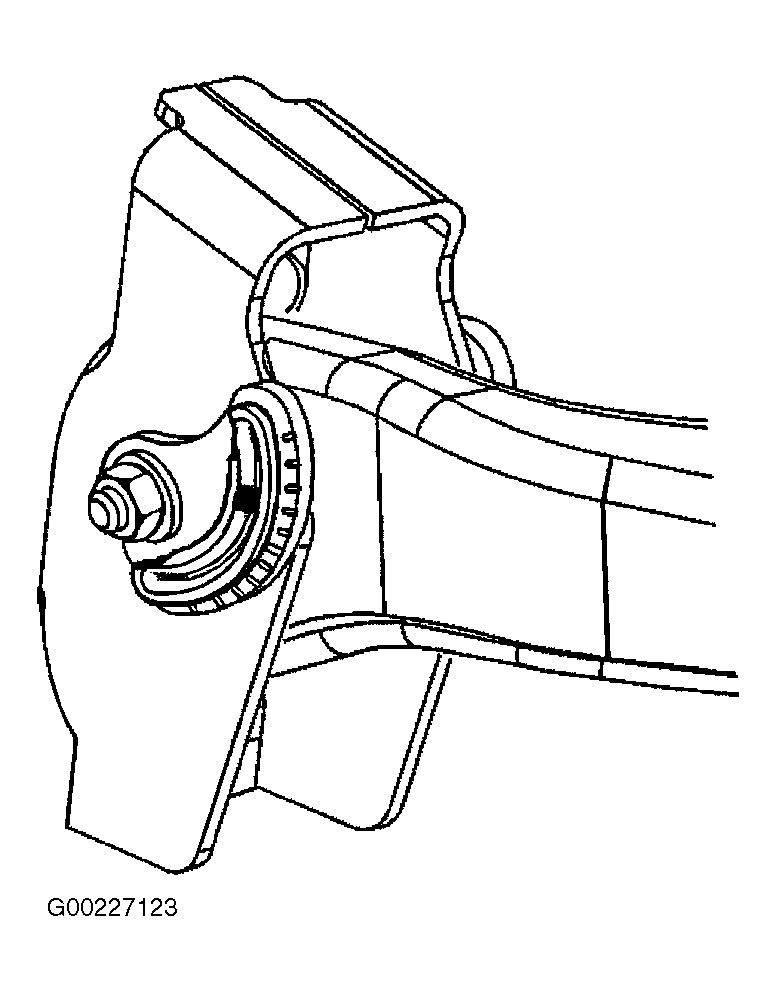 Courtesy of GENERAL MOTORS CORP.