Disassembly Note
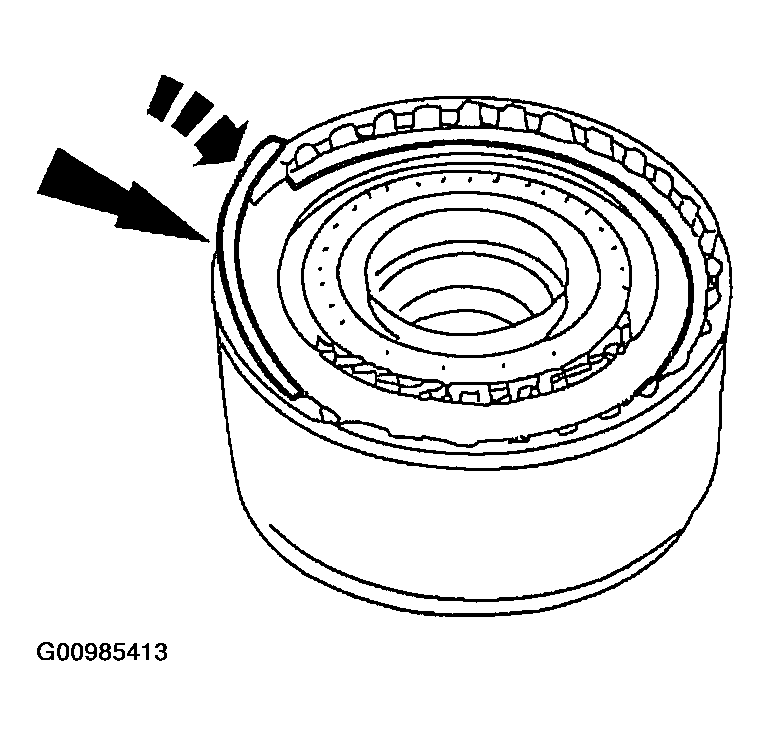
- Remove the reverse clutch pressure plate retainer snap ring.
 Courtesy of MAZDA MOTORS CORP.
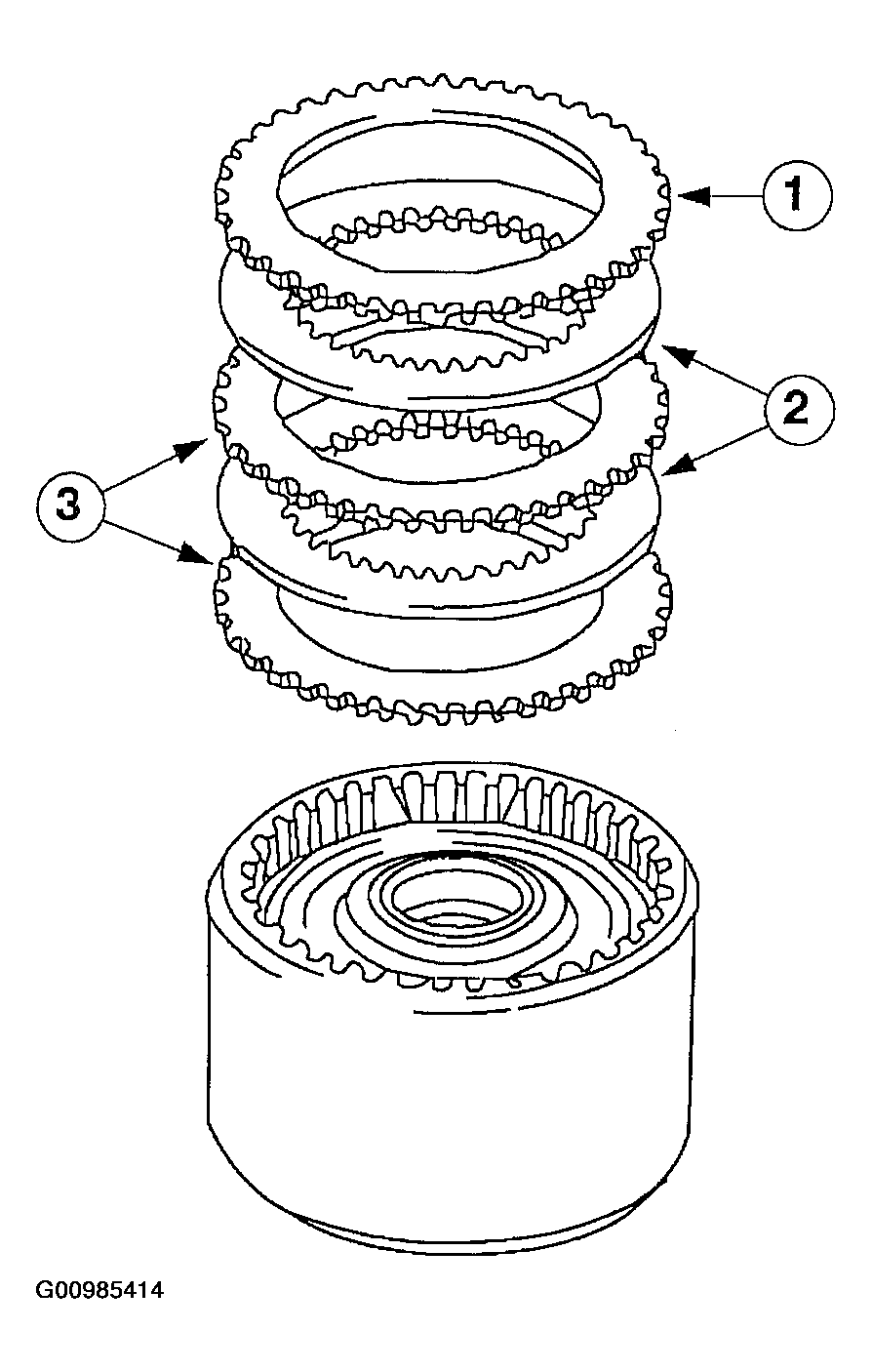
- Remove the reverse clutch plates.
- Pressure plate.
- Friction plate.
- Steel plate.
- Inspect for damage or wear.
 Courtesy of MAZDA MOTORS CORP.
WARNING:
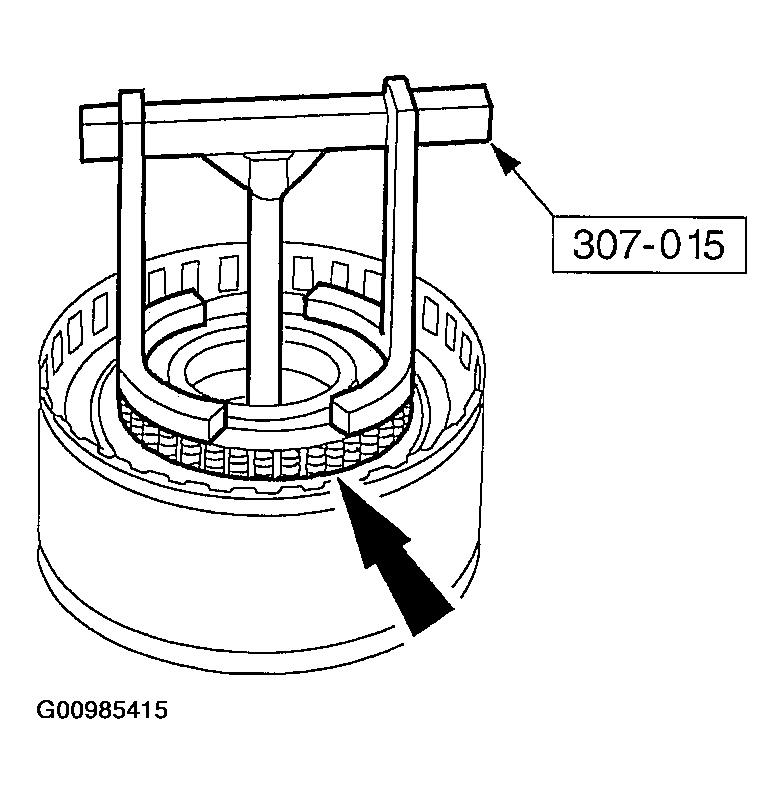
- Use caution when releasing tool pressure on the clutch piston springs. Failure to follow these instructions can result in personal injury.
CAUTION:
- Do not compress the reverse clutch return springs completely.
- Remove the retaining ring.
- Using the special tool, compress the reverse clutch return springs.
 Courtesy of MAZDA MOTORS CORP.
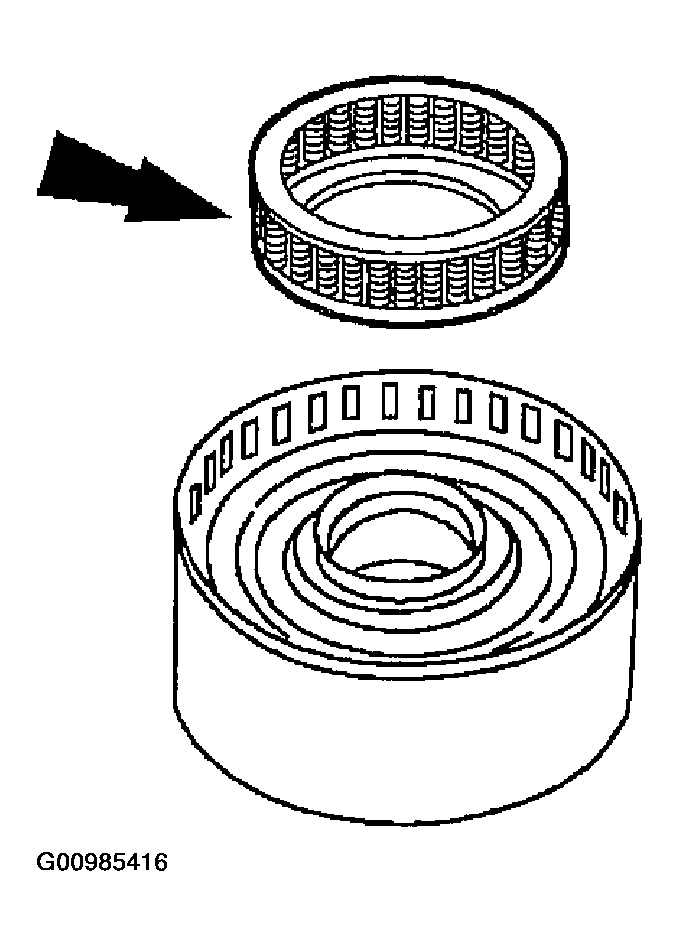
- Remove the reverse clutch return spring assembly.
 Courtesy of MAZDA MOTORS CORP.
- Remove the reverse clutch piston assembly.
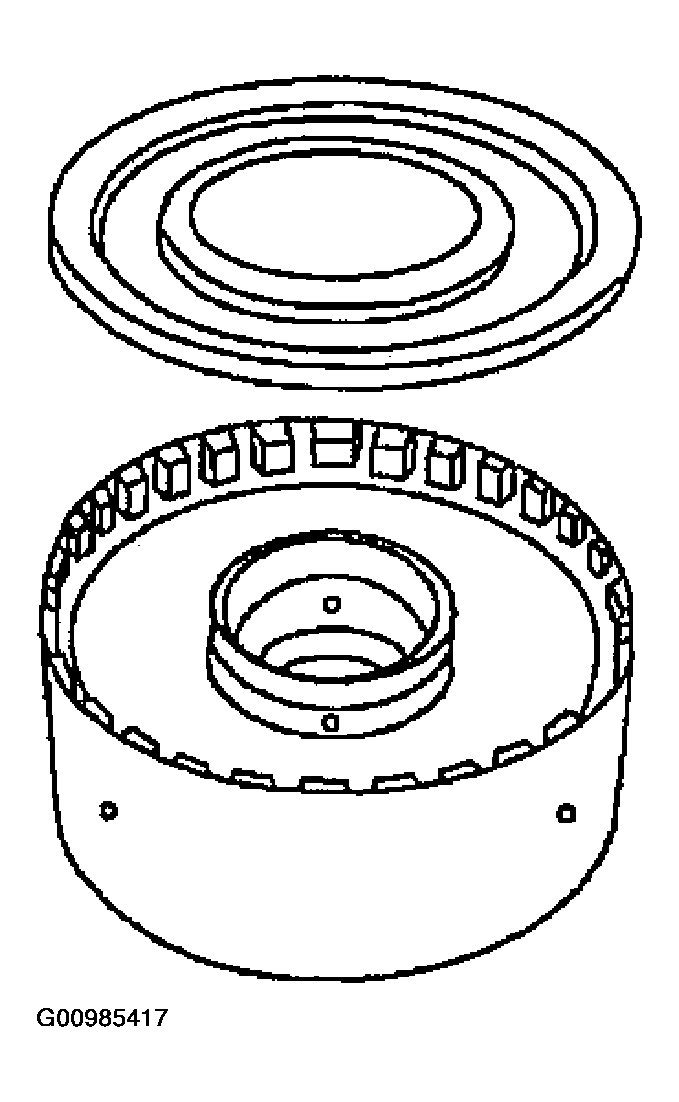 Courtesy of MAZDA MOTORS CORP.
WARNING:
- Air pressure must not exceed 138 kPa (20 psi). Wear safety glasses when using compressed air. Failure to follow these instructions can result in personal injury.
NOTE:
- Do not clean the clutch plates in a vapor degreaser or with any other type of detergent solution. Clean all parts thoroughly in a clean solvent and blow dry with moisture-free regulated compressed air.
- Clean the friction steel plates with a lint-free cloth.
- Inspect the parts for damage and wear:
- Clutch Plates
- Piston And Seals
- Bushings
- Check Ball In Drum
- Drum Outer Surface Band Contact Area
- Piston Bore